Mon - Sat 10:30 AM - 04:30 PM Sunday Closed
Call Us - +91 98880 89761 info@kidneytransplantchandigarh.com

Mon - Sat 10:30 AM - 04:30 PM Sunday Closed
Call Us - +91 98880 89761 info@kidneytransplantchandigarh.com
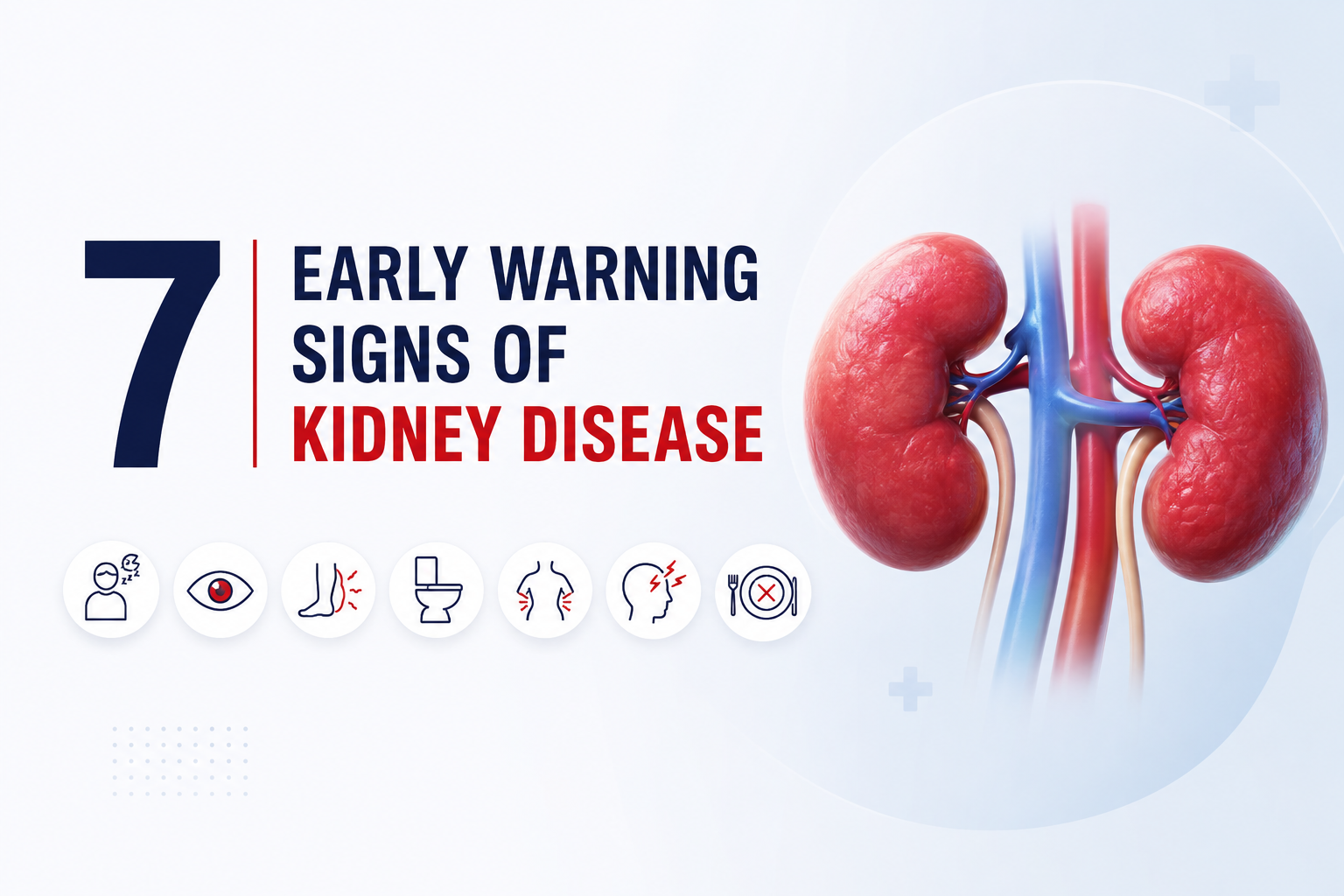
Kidneys as we know are amongst the hardest-working organs in our body. Everyday, they filter waste and excess fluids from our blood thereby regulating blood pressure, maintaining electrolyte balance, and helping produce hormones that keep our body functioning properly. Despite their vital role, you will be surprised to learn that kidney disease often develops silently. It may sound strange but yes symptoms appear only after significant damage has occurred.
Recognizing the early signs of kidney failure can make a significant difference in preserving kidney function and preventing complications. Many people mistake these warning signs for stress, aging, or minor health issues thus delaying diagnosis and the treatment.
The good news is that when kidney disease is detected early, lifestyle changes and timely medical treatment can often slow or even prevent further damage. Since many early signs of kidney failure develop silently, regular screening becomes especially important for people with diabetes, high blood pressure, obesity, or a family history of kidney disease.
A comprehensive Preventive Kidney Check-up can help detect kidney problems before they progress and allows you for timely intervention. In our blog, today we will discuss seven early warning signs of kidney disease that you should never ignore
Your kidneys perform several life-sustaining functions. They remove toxins from your blood, regulate fluid levels, balance minerals like sodium and potassium, and help control blood pressure. When kidney function begins to decline, these essential processes become less effective.
One of the biggest challenges with kidney disease is that it often progresses without noticeable symptoms during its early stages. By the time severe symptoms develop, permanent kidney damage may have already occurred.
Recognizing the early signs of kidney failure helps doctors identify the underlying cause and begin treatment before the disease advances. Early intervention can slow disease progression, improve quality of life, and reduce the need for more intensive treatments in the future. Here are the early signs to look out for-
Persistent fatigue is one of the most common early warning signs of kidney disease. Healthy kidneys produce a hormone called erythropoietin, which stimulates the production of red blood cells. When kidney function declines, your body may produce fewer red blood cells, resulting in anemia.
Anemia reduces the amount of oxygen delivered throughout your body, causing symptoms such as:
If you are getting adequate sleep but continue feeling unusually exhausted every day, it’s worth discussing your symptoms with your doctor.
Changes in urination are often among the first early signs of kidney failure.
Pay attention to symptoms such as:
Since your kidneys are responsible for producing urine, changes in urination can indicate that they are no longer filtering waste efficiently.
While these symptoms don’t always indicate kidney disease, they should never be ignored.
Swelling, medically known as edema, occurs when damaged kidneys are unable to remove excess salt and fluid from your body.
Common areas where swelling develops include:
Initially swelling may appear mild but gradually become more noticeable throughout the day.
Persistent swelling is one of the important early signs of kidney failure, especially when accompanied by fatigue or changes in urination.
Your kidneys help maintain the balance of minerals and nutrients in your bloodstream.When kidney function declines, waste products begin accumulating in the body. This buildup can lead to:
Although dry skin can result from dehydration or environmental conditions, ongoing itching without an obvious cause may indicate an underlying kidney problem.
Constant puffiness around your eyes may be more than just a cosmetic concern. Healthy kidneys prevent important proteins from leaking into the urine. Damaged kidneys may allow protein to escape, resulting in protein loss and fluid retention around the eyes.
If eye puffiness occurs regularly especially alongside foamy urine or swelling in other body parts, it may represent one of the early signs of kidney failure and should be evaluated by a healthcare professional.
Frequent muscle cramps may indicate an electrolyte imbalance caused by declining kidney function. The kidneys regulate important minerals such as:
When these minerals become imbalanced, muscles may cramp unexpectedly, particularly during the night. Although dehydration or exercise can also cause cramps, repeated episodes without a clear explanation deserve medical attention.
As waste products accumulate in the bloodstream, they can affect your digestive system. Common symptoms include:
These digestive symptoms often develop gradually and are sometimes mistaken for stomach problems. However, when combined with other early signs of kidney failure, they may indicate declining kidney function.
Certain individuals are more likely to develop kidney disease than others. Risk factors include:
If you fall into any of these high-risk groups, don’t wait for symptoms to appear. Many early signs of kidney failure are subtle and may go unnoticed until the disease has advanced. Routine kidney health screening through a Preventive Kidney Check-up can help identify potential problems early, enabling prompt treatment and better long-term kidney health.
You should seek medical advice if you experience:
Your doctor may recommend blood tests, urine analysis, imaging studies, or kidney function tests to determine whether your kidneys are working properly.
While not every case of kidney disease is preventable, adopting healthy habits can greatly reduce your risk. Here are some ways to protect your kidneys:
Prevention and early detection remain the most effective ways to maintain healthy kidneys.
Your kidneys perform essential functions every day, yet kidney disease often progresses silently until significant damage has already occurred. Recognizing the early signs of kidney failure such as persistent fatigue, swelling, changes in urination, muscle cramps, itchy skin, puffiness around the eyes, and loss of appetite can help you seek medical attention before complications arise.
Early diagnosis is one of the most effective ways to slow the progression of kidney disease and improve treatment outcomes. If you notice any of these symptoms or have risk factors like diabetes, high blood pressure, or a family history of kidney disease, don’t ignore them. A simple medical evaluation today can help protect your kidney health for years to come.
Your kidneys deserve expert care before small problems become serious health concerns. If you’re experiencing any of the early signs of kidney failure or have risk factors such as diabetes or hypertension, timely evaluation can make all the difference.
At Kidney Transplant Chandigarh, our experienced nephrologists provide comprehensive kidney care from Preventive Kidney Check-ups and early diagnosis to the management of chronic kidney disease, dialysis support, and advanced kidney transplant services. Our patient-centered approach focuses on accurate diagnosis, personalized treatment plans, and long-term kidney health.
Whether you need a routine kidney health assessment or advanced treatment for complex kidney conditions, our team is committed to providing compassionate, evidence-based care tailored to your needs.
Don’t wait until symptoms become severe. Book your Preventive Kidney Check-up today with Kidney Transplant Chandigarh and take a proactive step toward protecting your kidney health.
1. What are the earliest signs of kidney failure?
The earliest signs of kidney failure may include fatigue, swelling, changes in urination, foamy urine, muscle cramps, itchy skin, puffiness around the eyes, and loss of appetite.
2. Can kidney disease develop without symptoms?
Yes. Chronic kidney disease is often called a “silent disease” because many people do not experience noticeable symptoms until kidney function has significantly declined.
3. Does drinking more water prevent kidney disease?
Adequate hydration supports kidney health, but it cannot prevent all kidney diseases. Managing diabetes, high blood pressure, and maintaining a healthy lifestyle are equally important.
4. Is kidney disease reversible?
Some acute kidney conditions can improve with prompt treatment. However, chronic kidney disease is generally not reversible, although early treatment can slow its progression.
5. Who should undergo regular kidney screening?
Individuals with diabetes, high blood pressure, obesity, heart disease, or a family history of kidney disease should have regular kidney health check-ups.
6. Which foods support kidney health?
A balanced diet rich in fruits, vegetables, whole grains, healthy fats, and moderate amounts of lean protein can support kidney health. Limiting salt and processed foods is also beneficial.
7. Can kidney disease cause high blood pressure?
Yes. Kidney disease can contribute to high blood pressure, and uncontrolled hypertension can further damage the kidneys, creating a harmful cycle.
8. When should I consult a nephrologist?
You should consult a nephrologist if you experience persistent symptoms such as swelling, blood in your urine, significant changes in urination, unexplained fatigue, or if you have risk factors for kidney disease.
You're currently offline