Mon - Sat 10:30 AM - 04:30 PM Sunday Closed
Call Us - +91 98880 89761 info@kidneytransplantchandigarh.com

Mon - Sat 10:30 AM - 04:30 PM Sunday Closed
Call Us - +91 98880 89761 info@kidneytransplantchandigarh.com
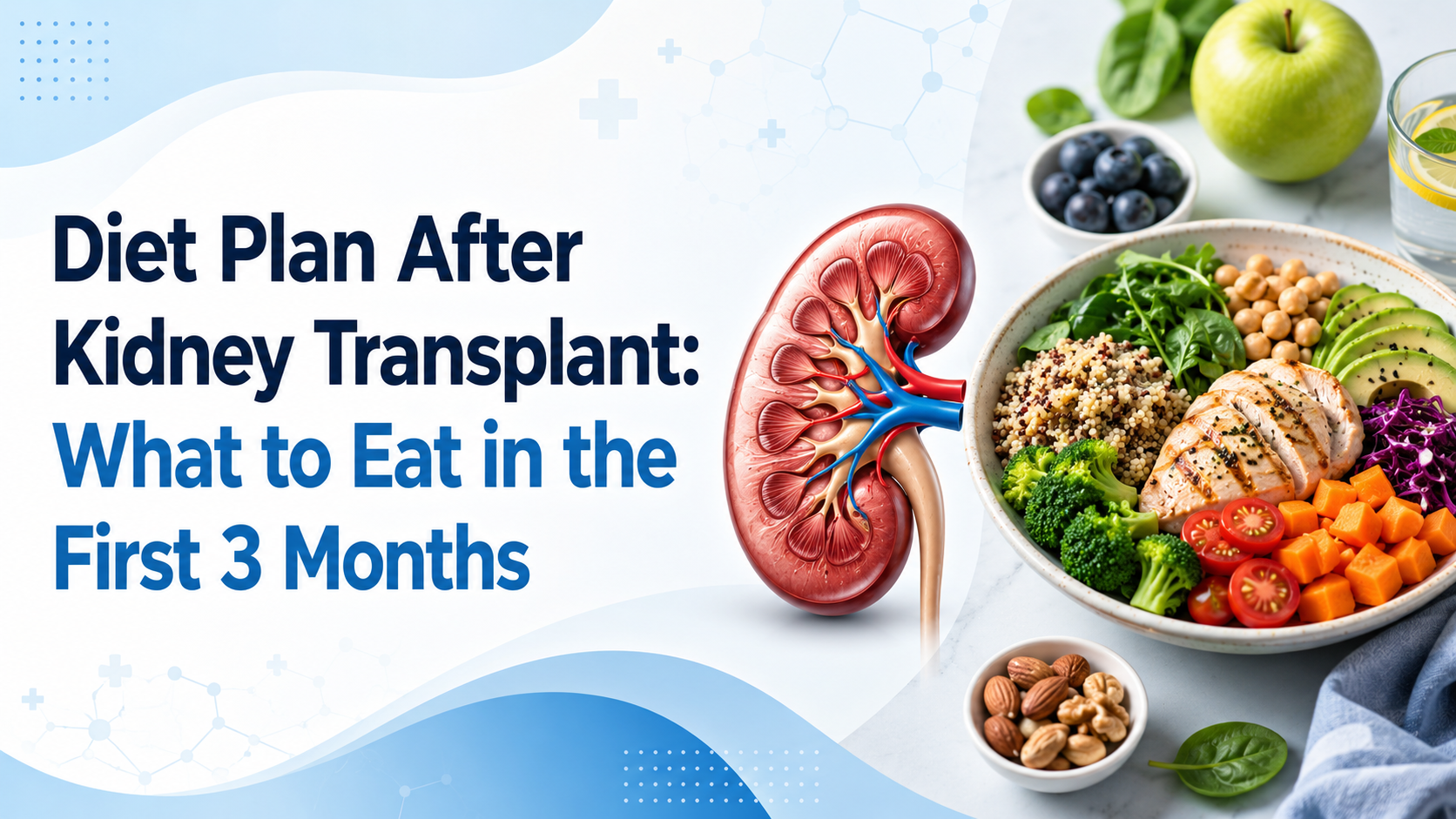
A kidney transplantation is definitely a life-changing procedure, offering freedom from dialysis and yet a chance to enjoy a healthier, more active life. However, the surgery is only the beginning of the recovery journey. One of the most important factors that influence healing and long-term transplant success is nutrition.
During the first few months after transplantation, your body is recovering from major surgery while also adjusting to new medications that help prevent organ rejection. This makes following the right diet after kidney transplant essential for supporting recovery, maintaining kidney function, reducing complications, and improving overall well-being.
Many patients are unsure about what they should be eating after surgery. Questions about protein, fruits, vegetables, salt, hydration, and food safety are common. While dietary recommendations may vary depending on individual health conditions, there are several essential guidelines that can help transplant recipients navigate the first three months successfully.
In our blog, we will explain everything you need to know about the ideal diet after kidney transplant, including which foods to eat, which foods to avoid, and how nutrition changes during the first three months of recovery.
Why Is Diet Important After a Kidney Transplant?
A kidney transplant gives your body a second chance, but the recovery process requires careful attention to nutrition.
After surgery your body needs adequate nutrients to:
The first three months are particularly important because this is when immunosuppressive medications are usually at their highest doses. These medications help prevent rejection but can also increase the risk of infections, elevated blood sugar levels, and weight gain.
Following the right diet after kidney transplant can help minimize these risks and support long-term transplant success.
What Are the Nutritional Goals During the First Three Months?
The primary goals of a post-transplant diet include:
Your transplant team may adjust dietary recommendations based on your individual health status, kidney function, medications, and laboratory results.
What Should You Eat During the First Month After Kidney Transplant?
The first month focuses primarily on recovery and healing.
Your body requires additional nutrients to repair tissues and regain strength after surgery.
Protein plays a crucial role in wound healing and muscle recovery. Good protein sources include:
Your healthcare team will determine the appropriate amount of protein based on your kidney function and nutritional needs.
Adequate hydration is essential after transplantation. Drinking enough fluids helps:
Your doctor will advise you regarding the appropriate fluid intake based on your health condition.
Choose Easily Digestible Foods
Immediately after surgery, some patients experience reduced appetite or digestive discomfort. Consider foods such as:
Which Foods Help Recovery During the Second Month?
By the second month, most patients begin feeling stronger and more active. At this stage, the diet after kidney transplant focuses on maintaining nutritional balance while preventing medication-related side effects.
Eat Plenty of Fruits and Vegetables
Fresh fruits and vegetables provide:
These nutrients support immune function and overall health. Example- apples, pears, berries, oranges, carrots, cucumbers, bell peppers, beans
Include Whole Grains
Whole grains provide sustained energy and fiber. Healthy options include:
Fiber helps support digestive health and may reduce cholesterol levels.
Choose Healthy Fats
Healthy fats can support heart health, which is especially important after transplantation. Examples include:
Moderation remains important because some immunosuppressive medications can contribute to weight gain.
What Should You Focus on During the Third Month?
By the third month, many transplant recipients begin transitioning toward a long-term healthy eating pattern. The goal of the diet after kidney transplant shifts from surgical recovery to protecting the transplanted kidney for years to come.
Maintain a Heart-Healthy Diet
People with kidney disease often have a higher risk of cardiovascular problems. Focus on:
Limit foods that are high in saturated fat and trans fats.
Improved appetite after transplantation can lead to unintended weight gain. To maintain a healthy weight:
Weight management helps reduce stress on the transplanted kidney.
Which Foods Should Be Avoided After Kidney Transplant?
While nutrition is important, food safety becomes equally critical during the first three months. Immunosuppressive medications weaken the immune system, increasing susceptibility to infections.
Several foods should be avoided or consumed only after medical approval.
Avoid:
These foods can contain harmful bacteria and parasites.
Why Are Processed Foods a Concern?
Processed foods often contain:
High sodium intake can increase blood pressure and place stress on the transplanted kidney. Examples include:
Should You Limit Sugary Foods?
Many transplant medications can increase blood sugar levels.
Limiting:
can help reduce the risk of developing post-transplant diabetes.
How Important Is Food Safety After a Kidney Transplant?
Food safety is a critical part of the diet after kidney transplant. Since immunosuppressive medications reduce the body’s ability to fight infections, transplant recipients should take extra precautions.
Important food safety tips include:
These simple practices can significantly reduce the risk of foodborne illnesses.
Can Certain Medications Affect Diet?
Yes.
Many transplant medications influence nutritional needs. Some medications may:
Because of these effects, dietary recommendations should be reviewed regularly with your nephrologist and transplant dietitian.
What Role Does Protein Play After Kidney Transplant?
Protein is essential for:
However, protein needs may change over time. During the initial recovery period, higher protein intake may be recommended. As kidney function stabilizes, your healthcare team may adjust protein requirements accordingly.
This is why individualized guidance is important when planning your diet after kidney transplant.
Eating out should be approached cautiously during early recovery.
When dining outside:
Many transplant specialists recommend limiting restaurant meals during the early recovery period to reduce infection risk.
A successful diet after kidney transplant is not a temporary plan, it becomes part of a lifelong commitment to protecting your new kidney.
Focus on:
Combined with regular medical follow-up and medication adherence, these habits can help support long-term transplant success.
The first three months after kidney transplantation are a crucial period for recovery and adaptation. Following the right diet after kidney transplant helps promote healing, reduce complications, strengthen immunity, and support the long-term health of the transplanted kidney.
By focusing on nutritious foods, maintaining proper hydration, practicing food safety, and following your healthcare team’s recommendations, you can significantly improve your recovery experience and protect your new kidney for years to come.
Remember that every transplant recipient has unique nutritional needs. Regular consultations with your nephrologist and dietitian will ensure your diet remains aligned with your health goals and kidney function.
A successful kidney transplant requires more than surgery, it requires expert long-term care, proper nutrition, and ongoing medical support.
At Kidney Transplant Chandigarh, our experienced team of nephrologists, transplant surgeons, and renal dietitians provides comprehensive guidance throughout every stage of your transplant journey. From pre-transplant evaluation and surgery to recovery planning and personalized dietary counselling, we help patients make informed decisions that support long-term kidney health.
If you’ve recently undergone a transplant or are preparing for one, our specialists can help you develop a personalized diet after kidney transplant tailored to your medical condition, recovery goals, and lifestyle needs.
Schedule a consultation with Kidney Transplant Chandigarh today and receive expert guidance for a healthier recovery and a stronger future with your transplanted kidney.
1. What is the best diet after kidney transplant?
The best diet after kidney transplant includes lean proteins, fruits, vegetables, whole grains, healthy fats, and adequate hydration while limiting processed foods, excess sodium, and added sugars.
2. How much water should I drink after a kidney transplant?
Fluid requirements vary from person to person. Your transplant team will recommend an appropriate amount based on your kidney function, medications, and overall health condition.
3. Can I eat fruits after a kidney transplant?
Yes. Most patients can enjoy a variety of fruits after transplantation. However, dietary recommendations may vary based on medications and laboratory results, so follow your healthcare provider’s advice.
4. Can I return to a normal diet after three months?
Many patients gradually transition to a balanced, heart-healthy long-term eating pattern after the first few months. However, ongoing dietary guidance remains important to protect kidney function and overall health.
You're currently offline